Tiky a ADHD: Jak psychoterapie pomáhá při komorbidity obou poruch
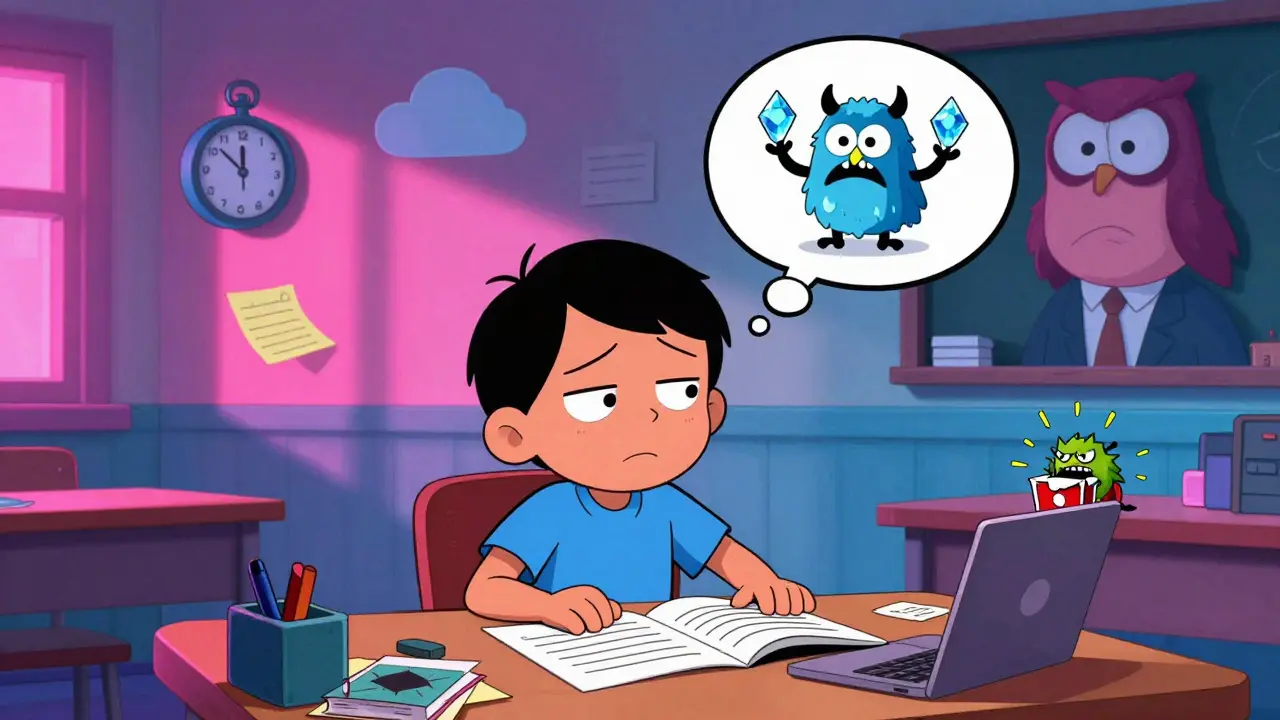
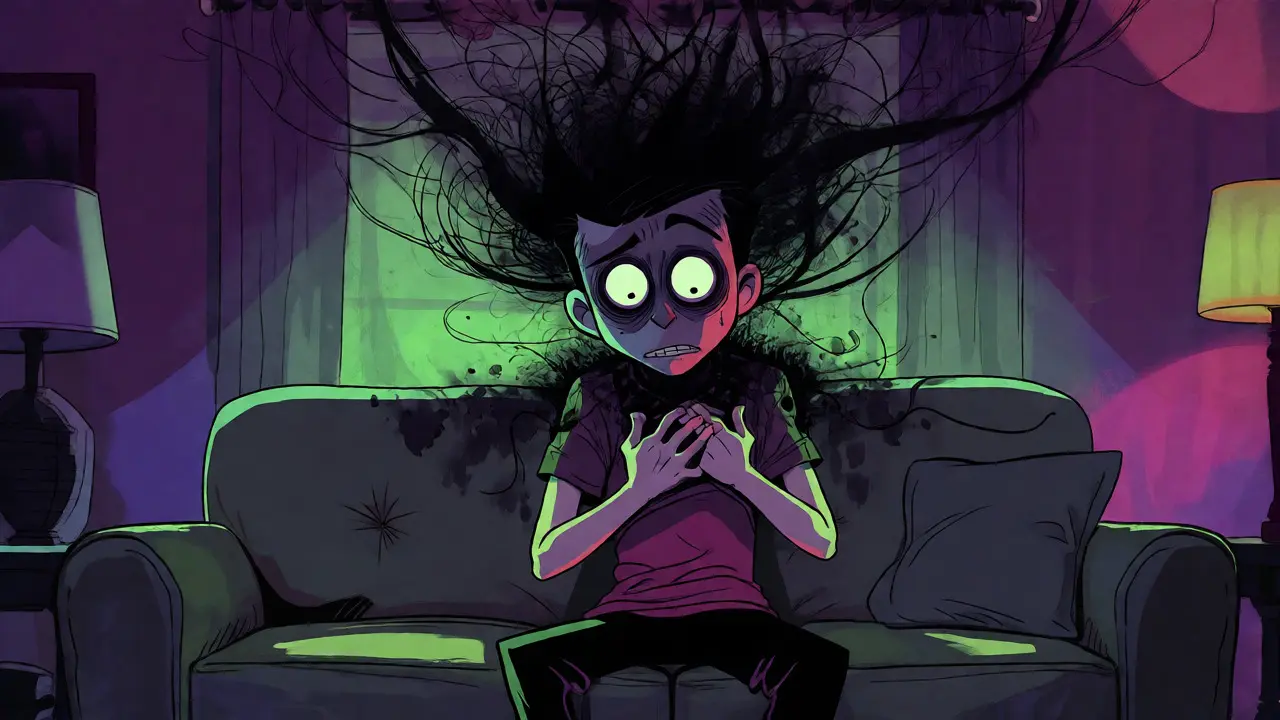
When a child blinks excessively, shrugs their shoulders, or suddenly clears their throat - and at the same time can’t sit still, forgets homework, or interrupts conversations - parents often don’t know where to turn. Is it just bad behavior? A phase? Or something deeper? The truth is, tiky a ADHD frequently appear together - and treating just one side of the problem often makes the other worse.
Proč se tiky a ADHD často objevují spolu?
As many as 70% of children diagnosed with Tourette syndrome also meet the criteria for ADHD, according to the Czech Institute for Effective Psychotherapy (INEP, 2021). It’s not a coincidence. Both are neurodevelopmental disorders rooted in similar brain circuits - especially those involving dopamine regulation and executive function. But they look very different.
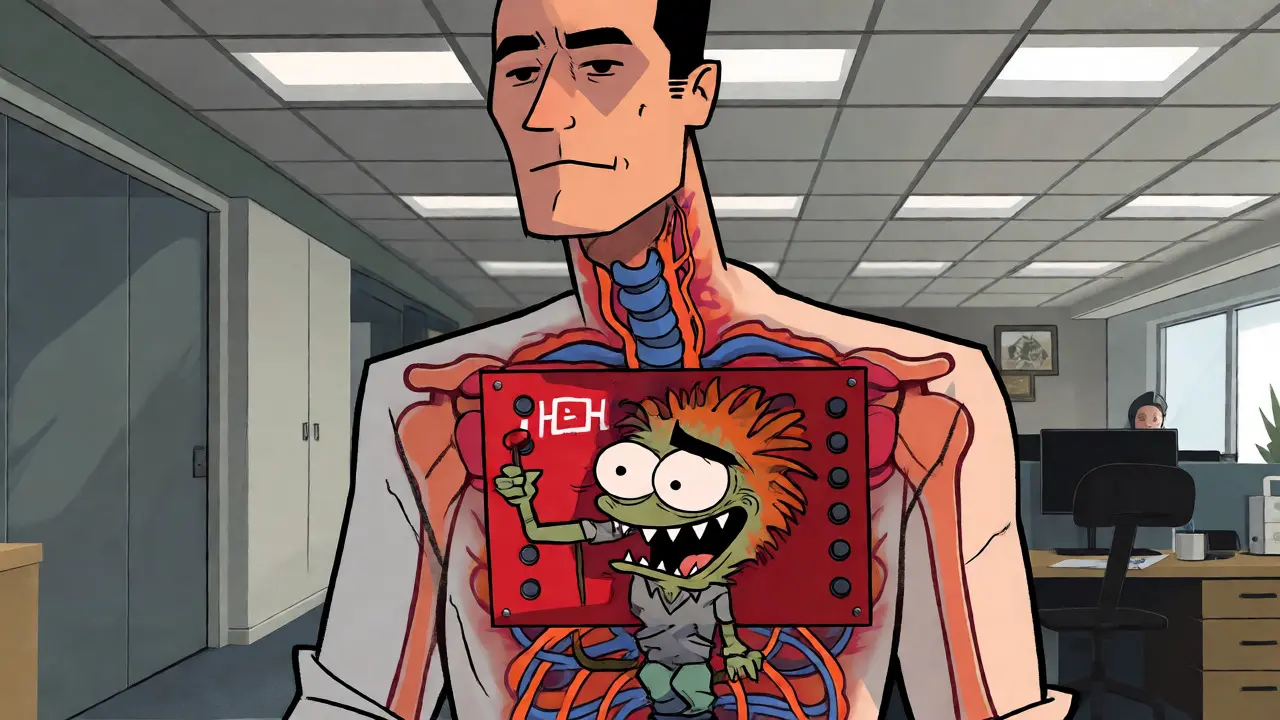
Tiky are sudden, repetitive movements or sounds - like eye blinking, throat clearing, or shoulder jerking. They’re not voluntary, but they’re often preceded by an uncomfortable urge, called a premonitory urge. ADHD, on the other hand, shows up as trouble focusing, hyperactivity, or acting without thinking. The brain doesn’t struggle to control movements in ADHD - it struggles to control attention and impulses.
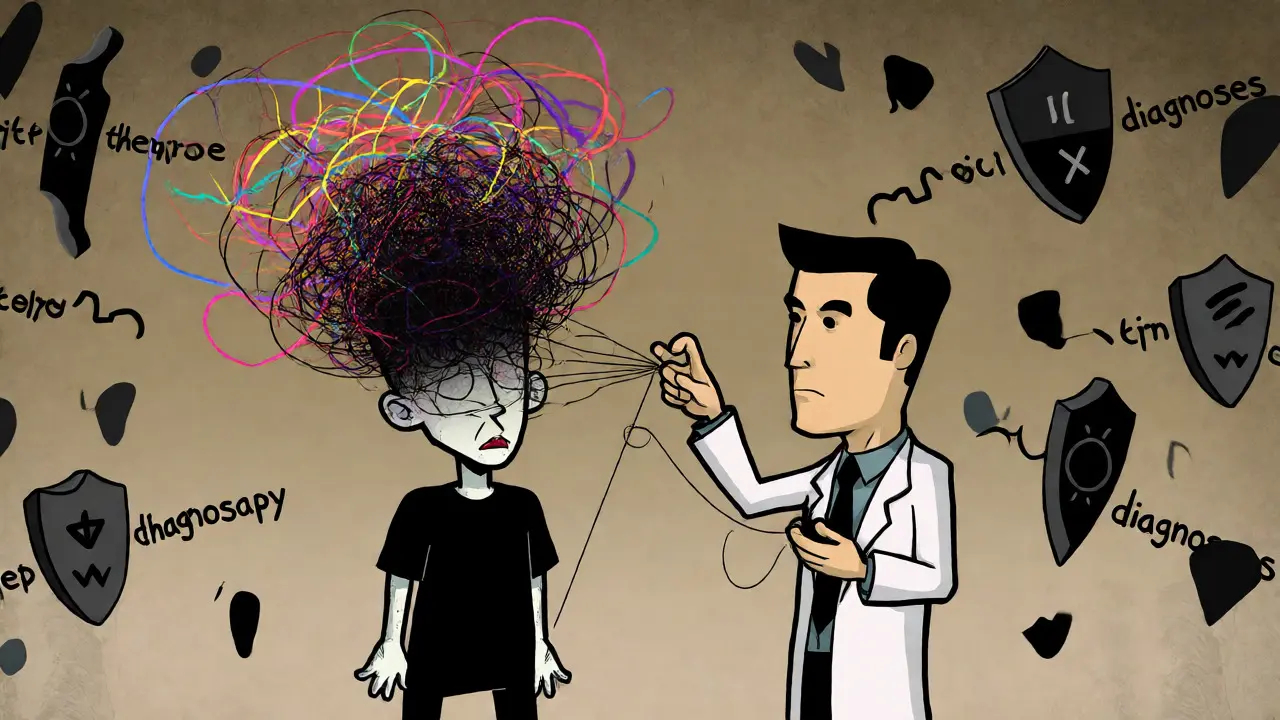
Here’s the catch: standard ADHD medications like methylphenidate can make tiky worse. That’s why many families are stuck. Medication helps with focus but makes the tics louder. No medication helps with tics without risking worse ADHD symptoms. That’s where psychoterapeutická léčba steps in - not as a backup, but as the first-line approach for many.
Zlatý standard: CBIT pro tiky a ADHD
The most proven non-drug treatment for tics is called CBIT - Comprehensive Behavioral Intervention for Tics. It’s not just one technique. It’s a structured, step-by-step program with five core parts: psychoeducation, functional interventions, habit reversal training (HRT), social support, and relaxation training.
At the heart of CBIT is HRT. It teaches the person to recognize the urge before a tic happens - like feeling a tension in the neck before a head jerk. Then, they learn to replace the tic with a different, incompatible movement. For example, if someone has a shoulder shrug, they might learn to press their shoulders down gently instead. Studies show this can reduce tic frequency by up to 50% when done consistently.
But here’s the problem: ADHD makes it hard to focus long enough to learn HRT. That’s why standard CBIT protocols - 60-minute weekly sessions with 20 minutes of daily practice - often fail for kids with ADHD. The solution? Adaptation.
Co se mění, když máš ADHD spolu s tiky?
Therapists who treat comorbid cases don’t use a one-size-fits-all approach. They adjust everything:
- Session length drops from 60 to 30 minutes.
- Practice time shrinks from 20 to 10 minutes per day.
- Visual aids - charts, stickers, timers - replace long verbal instructions.
- Immediate praise replaces delayed feedback.
- Parental involvement becomes mandatory - not optional.
For younger children under 10, identifying the premonitory urge is often impossible. That’s why therapists use play-based methods - like pretending the tic is a “silly robot glitch” - to help kids notice and respond to it. One mother in Brno told me her 8-year-old learned to “stop the robot” by tapping his foot instead of blinking. Within six weeks, the blinking dropped from 30 times per minute to 8.
CBIT isn’t magic. It’s hard work. But it’s the only treatment that gives the person lasting control - not just temporary suppression.
Medikace vs. psychoterapie: Co funguje lépe?
Doctors often reach for medication first. But for comorbid cases, it’s risky.
Drugs like haloperidol or pimozide can reduce tics by 60-70%, but they often cause drowsiness, weight gain, or make ADHD symptoms worse. Atomoxetine (Strattera®), a non-stimulant ADHD drug, is safer for tic patients - helping 50-60% of cases without worsening tics. But it takes weeks to work and doesn’t touch the tics directly.
Now combine atomoxetine with CBIT: success rates jump to 75-80%. That’s 20-25% better than either treatment alone, according to the Czech Society of Psychiatry (2023). The drug helps with focus so the child can actually do the therapy. The therapy gives them tools to manage tics without pills.
And here’s the kicker: CBIT’s effects last long after therapy ends. Medication only works while you’re taking it.
Proč mnoho rodin selže v terapii?
CBIT isn’t hard because it’s complicated. It’s hard because it’s demanding.
Only 15% of psychotherapists in the Czech Republic are certified in CBIT, according to the Association for Behavioral and Cognitive Therapy (2023). Most therapists trained in ADHD don’t know tics. Most tic specialists don’t know ADHD.
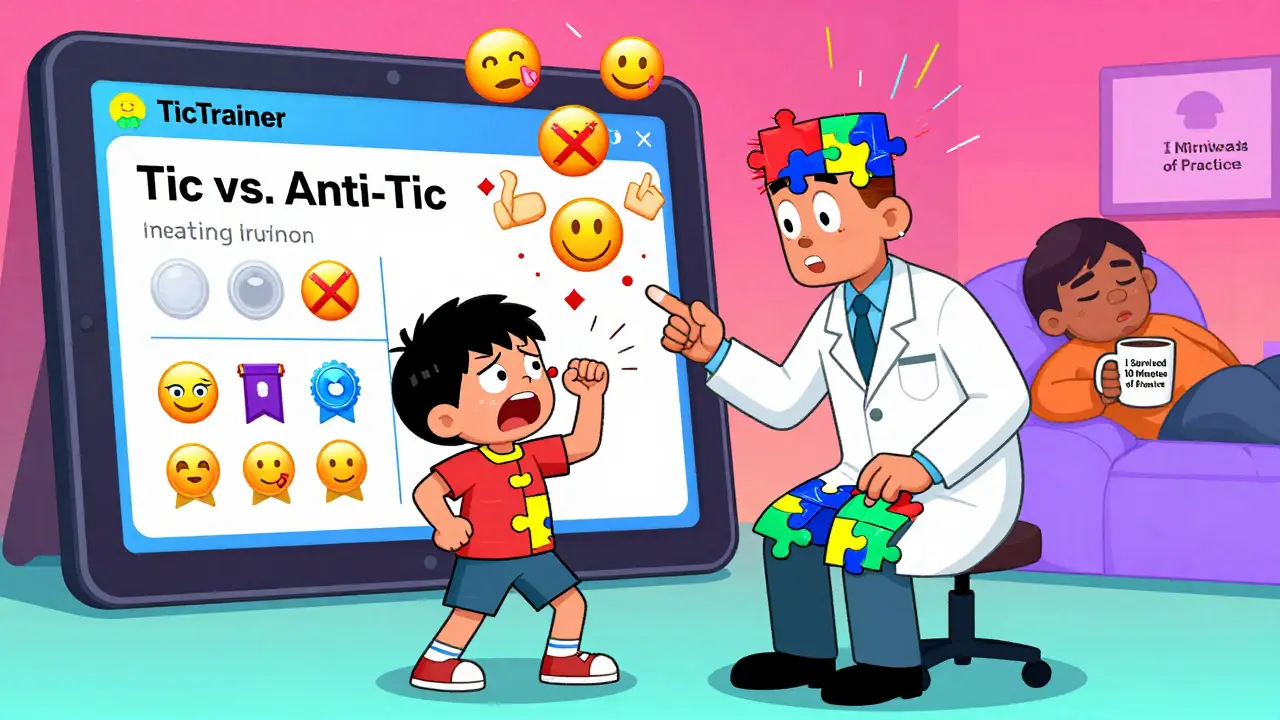
Parents struggle too. One father on a Czech forum wrote: “I spent three weeks trying to get my son to do his 10-minute practice. He forgot. He got frustrated. We gave up.” That’s normal. ADHD makes routine hard. That’s why therapists now use apps like TicTrainer - digital diaries that send reminders, track progress, and reward consistency with badges and sounds.
Schools are another hurdle. Sixty percent of children with comorbid tics and ADHD face misunderstandings at school. Teachers think the tics are “disrespectful” or “attention-seeking.” That’s why a good therapist doesn’t just work with the child - they train teachers and write individual educational plans (IEPs). A simple change - letting the child stand up to blink, or giving extra time on tests - can make all the difference.
Co dělat, když nemáte přístup ke specializované terapii?
There are only three clinics in the Czech Republic offering full CBIT programs for comorbid cases: Motol in Prague, Brno University Hospital, and the Psychiatric Clinic at 1st Faculty of Medicine, Charles University. And even there, insurance covers only 12 sessions per year - about 7,200 Kč. A full CBIT course needs 8-10 sessions just to start seeing results. Many families pay out of pocket - 700-1,000 Kč per session.
Telemedicine is helping. Since 2020, the number of online CBIT therapists has grown by 120%. You can now find certified therapists in Prague, Ostrava, or Plzeň who offer video sessions. Some even provide downloadable practice guides and video demos.
For families waiting for a spot, here’s what you can do now:
- Start a tic diary: Write down when, where, and what kind of tic happens. Look for patterns.
- Teach your child to name the urge: “I feel it in my throat,” “My arm itches.”
- Practice slow breathing together - 5 seconds in, 5 seconds out - for 2 minutes, twice a day.
- Replace one tic with a neutral action: If they snap fingers, teach them to clench and release their fist.
- Ask the school for a 504 plan (in Czech: individuální vzdělávací plán) to reduce stigma.
These aren’t replacements for therapy. But they’re lifelines.
Kdo má největší šanci na úspěch?
Success isn’t about how bad the tics are. It’s about readiness.
Teens and adults with comorbid ADHD and tics respond best - 85% see meaningful improvement. Why? They can understand the “why” behind the therapy. They can self-monitor. They can tolerate frustration.
Children under 10? Only 45% benefit from standard CBIT. Their brains aren’t wired yet to notice urges or plan responses. But with adapted methods - shorter sessions, visual cues, parental coaching - even young kids can make progress.
And here’s what most parents don’t realize: You don’t need to eliminate all tics. You need to reduce their impact. A child who still blinks but can sit through class, make friends, and sleep through the night? That’s a win.
Co se mění v Česku v roce 2025?
Change is coming - slowly.
In 2022, INEP launched the first national CBIT certification program. By the end of 2023, 47 therapists completed it. That’s still only a drop in the ocean - but it’s a start.
Research is advancing too. A digital tool called TicTrainer, developed with Czech government funding, helped reduce tics by 35% in a pilot study of 120 children when used with therapy. And by 2025, new clinical guidelines are expected to officially recommend CBIT as first-line treatment for comorbid ADHD and tics - not just an option.
One of the most exciting developments? Personalized treatment based on genetic markers. Early research suggests we’ll soon be able to predict who will respond best to CBIT - and who needs medication first. It’s not here yet, but it’s coming.
The biggest barrier? Money. Insurance pays only 60% for children under 18. That means families with lower income wait longer - or give up. Until this changes, access to care will remain unequal.
Co dělat dnes?
If you’re a parent, teacher, or adult with tics and ADHD:
- Don’t assume medication is the only answer.
- Ask your doctor about CBIT - and ask if they’re certified.
- If they say no, ask for a referral to INEP or one of the three specialized clinics.
- Use free tools: TicTrainer app, breathing exercises, tic diaries.
- Advocate for your child at school - knowledge reduces stigma.
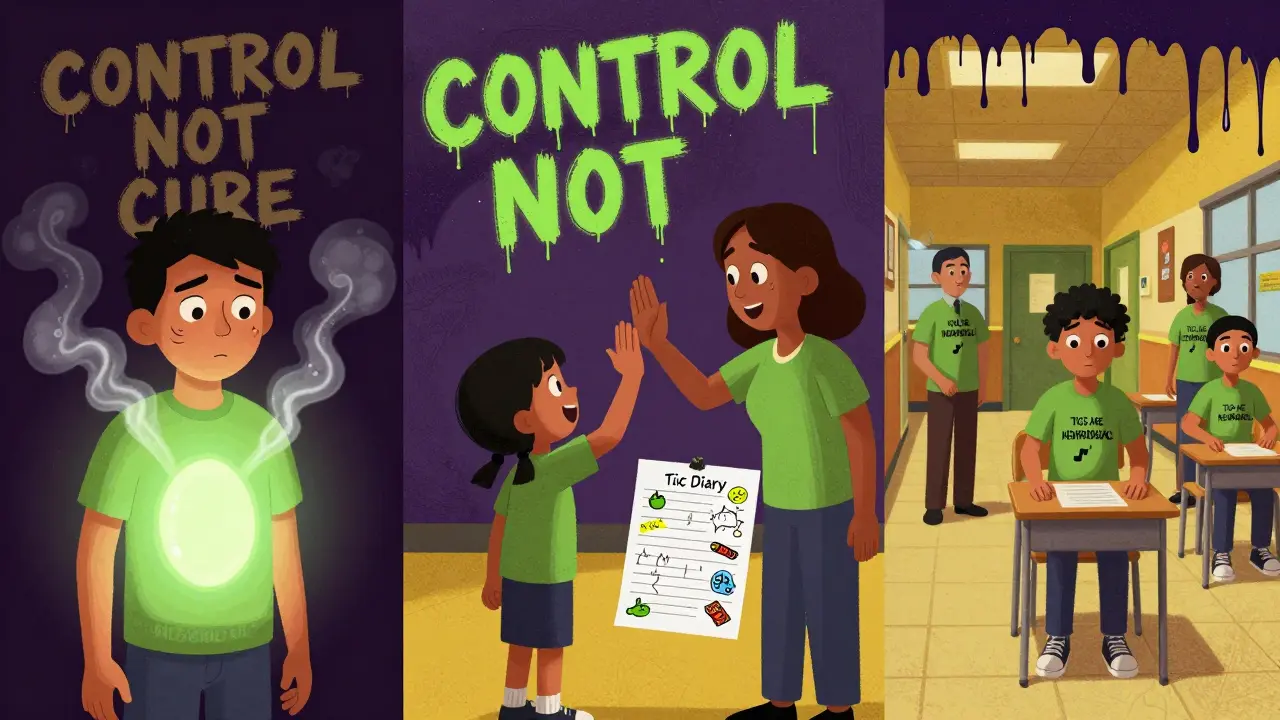
CBIT won’t cure ADHD or erase every tic. But it gives you something no pill can: control. And for many families, that’s everything.
Může psychoterapie úplně odstranit tiky u dítěte s ADHD?
Psychoterapie, zejména CBIT, neodstraňuje tiky úplně - ale výrazně je snižuje a učí dítě, jak je řídit. Cílem není „žádné tiky“, ale „tiky, které nebrání životu“. U 75-80 % pacientů se frekvence tiků sníží o více než 50 %, a to bez vedlejších účinků léků. U mladších dětí je cíl často jen „snížit závažnost“ a zlepšit funkční schopnosti.
Proč se některé léky pro ADHD zhoršují tiky?
Léky jako methylfenidát zvyšují úroveň dopaminu v mozku, což pomáhá s pozorností u ADHD. Ale tiky jsou také spojeny s přehnanou aktivitou dopaminových cest. Zvýšení dopaminu může proto „rozpoutat“ tiku, které byly dříve potlačené. Proto se u komorbidních případů doporučuje atomoxetin, který působí jiným mechanismem a tiky nezhoršuje.
Kdo má v Česku přístup ke specializované psychoterapii pro tiky a ADHD?
V Česku je pouze 8 % dětských psychiatrů a 5 % klinických psychologů certifikovaných pro CBIT. Největší centra jsou FN Motol v Praze, FN Brno a Psychiatrická klinika 1. LF UK v Praze. Online terapie se rychle rozšiřují - mnoho terapeutů z těchto center nabízí video sezení. Pokud nemáte přístup k specializovanému terapeutovi, začněte s lékařem, který vás odkáže na INEP nebo Českou společnost pro psychiatrii.
Je CBIT vhodný i pro dospělé s ADHD a tiky?
Ano, a často je pro dospělé účinnější. Dospělí lépe porozumí konceptu „předtuchy“, mají větší schopnost se sami pozorovat a často mají vyšší motivaci k tréninku. Úspěšnost CBIT u dospělých s komorbidním ADHD a tiky dosahuje 85 %. Mnozí hlásí, že se jim podařilo znovu získat kontrolu nad životem - od práce přes vztahy až po spánek.
Co dělat, když škola nerozumí tikům a považuje je za „nechování“?
Začněte tím, že škole předáte informační materiál od INEP nebo České společnosti pro psychiatrii. Požádejte o individuální vzdělávací plán (IVP), který umožní dítěti mít v klidu místo k tiku, nebo dostávat delší čas na testy. Mnoho učitelů se prostě nezná. Když pochopí, že tiky nejsou vědomým chováním, často se stávají největšími podporovateli. Nejde o výjimky - jde o neurologické potřeby.